
New Year, New Antarctica
So many new things to do week after week


Hello northerners!! I hope everyone has gotten off to a great start to the new year. It seems crazy that January’s already halfway done and I only have a handful of weeks left in Antarctica. We’re already starting to see people who have been here all season make their way home and soon we’ll have new faces that are staying for winter.
But enough about that. I’m sure I’ll be more bittersweet about leaving in my next post. For now, there was a ton that happened in the last couple of weeks. First up is Ice Stock!
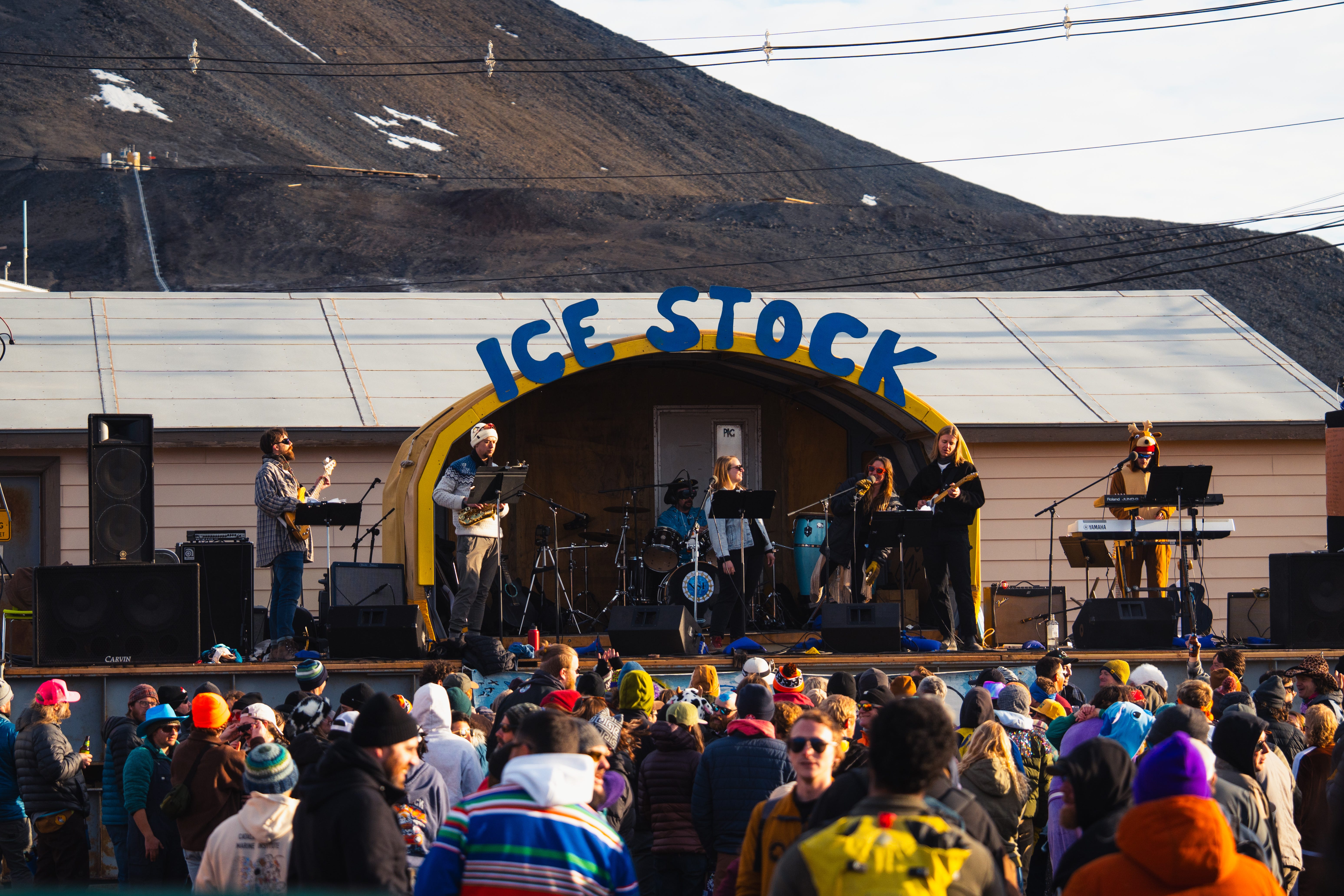
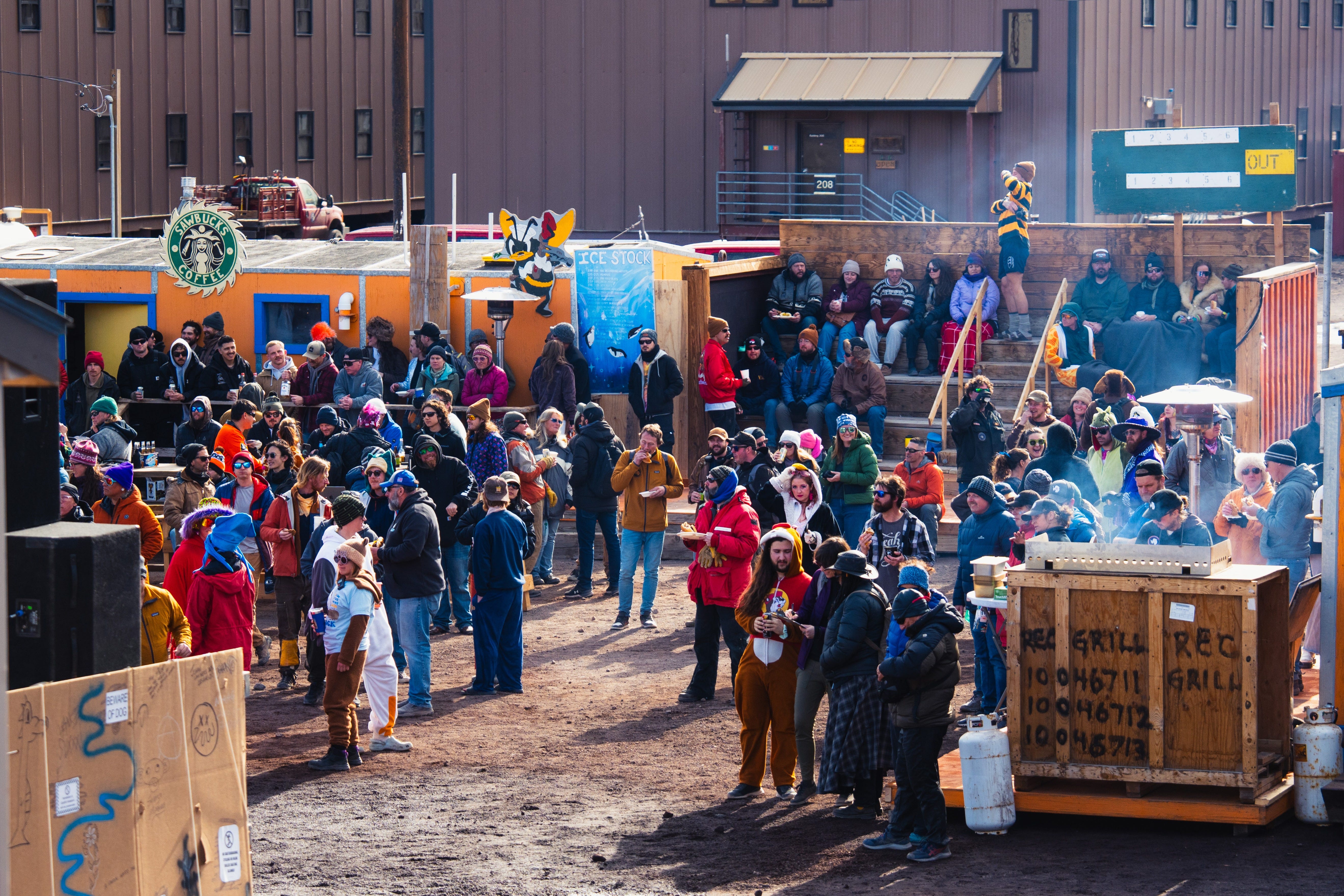
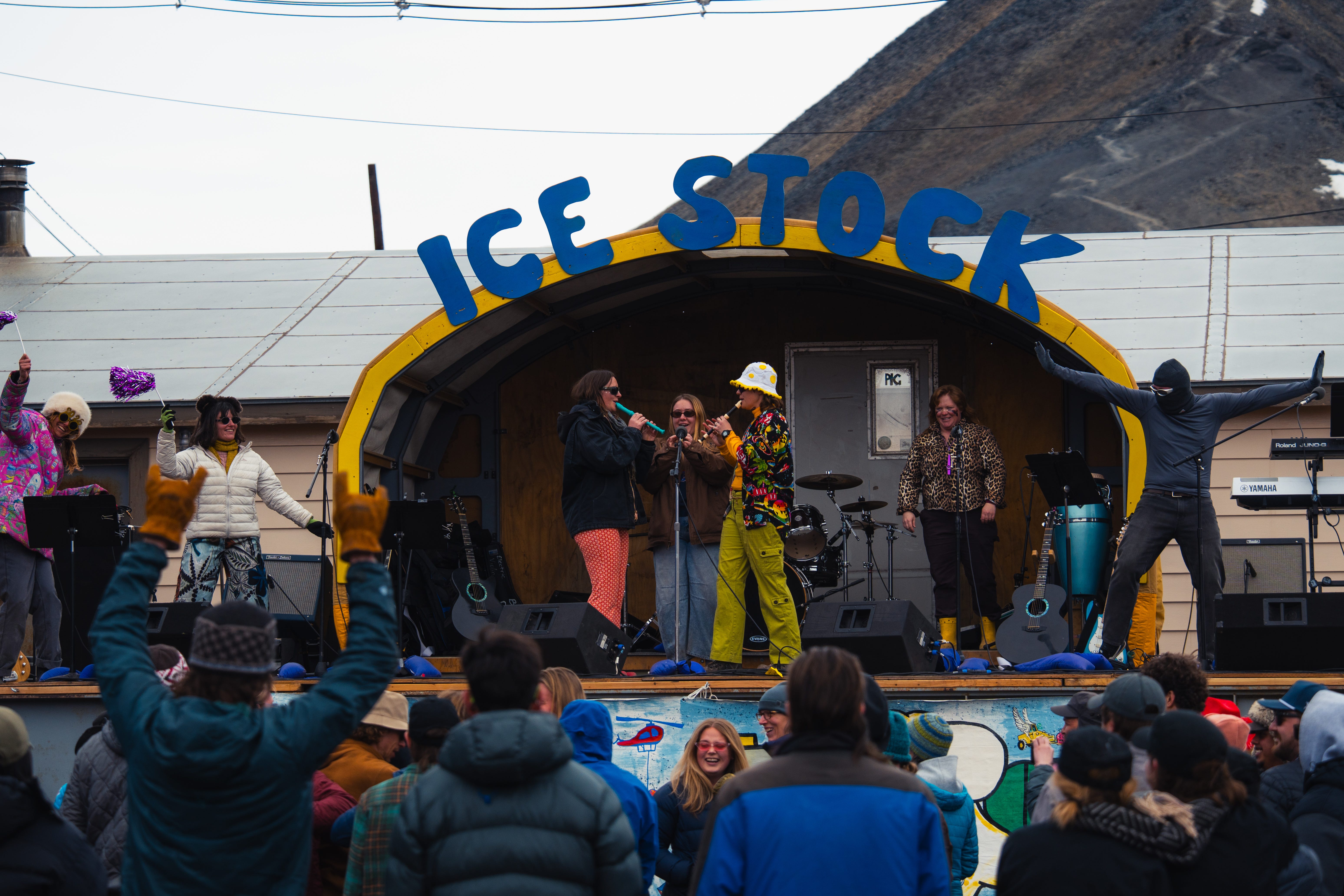
It’s the world’s furthest south music festival, and I didn’t even have to buy a ticket. Technically I was paid to attend. Over the course of the season, a bunch of people with more musical talent than myself got together and formed bands or worked on performances for the festival. We had everything from a DJ to a screamo group to a solo guitarist singing songs about life at McMurdo. It went from about 2pm-1am in the center of town and a bunch of people from field camps made it back to join. Some galley cooks were grilling out (one of the rare chances to get flame-cooked food), there was a chili cook-off, and there was even a booth handing out coffee with Bailey’s. Some of the standout acts for me were Tess and Jasmyn’s recorder duet (which at 2:05pm managed to get a very small mosh pit going to hot cross buns), National Science Funknation featuring some very impressive Bruno Mars covers by Bethany, and Troy who brought out different people to help him with each of his songs. All in all, a great time and the best festival I’ve been to all year by far!


Up until this past week, the weather has stayed pretty warm, over 35F each day. That made Ice Stock infinitely better than it could be, but it also means that the transition (where the ice shelf meets the land) has continued to get even worse. The ferry with the magic carpet was just running about a half mile to get vans past the super soft snow of the transition itself. However, it got extended to 2 miles, then 3 miles, then the entire 6.5 mile road from land to Willy Field out on the ice shelf. Without the magic carpet and in good conditions, the drive takes about 25-30 minutes from town to the airfield. Now, the 6.5 mile stretch where we ride the ferry takes about 50 minutes one way. But, if you miss the ferry, you could be waiting around 2 hours for it to return, and then you still have to ride the ferry itself. We have so many different people that need to get to the airfield every day (plane maintainers, flight crew, fire department, airfield operators, fuelies, cargo, galley, air traffic control, weather, etc) and having a 3 hour journey is rather untenable. One trip I did took me 4 hours to go to the LDB (long duration balloon) facility, then the airfield, then back to town. In great conditions that would normally take me about 75 minutes at the most.
Now we run into one of the great conundrums of McMurdo: funding. Over the years, every department that I’ve seen, which is pretty much all of them, has continued to have to do more with less. In the case of the ferry, we can’t have two ferries running at the same time because on any given day we don’t have enough heavy equipment operators to spare or enough equipment that’s capable of pulling the magic carpet. We also don’t have enough tracked vehicles (which don’t need to ride the ferry) to provide to shuttles or other departments to get out to the airfield without the ferry. Everyone across the board was getting really frustrated with how it impacts our ability to get our jobs done. Projects were running over, people kept arriving late to work or late back home at the end of their shift, and we all tried our absolute hardest to make sure that planes were still able to leave on time, especially medevacs.
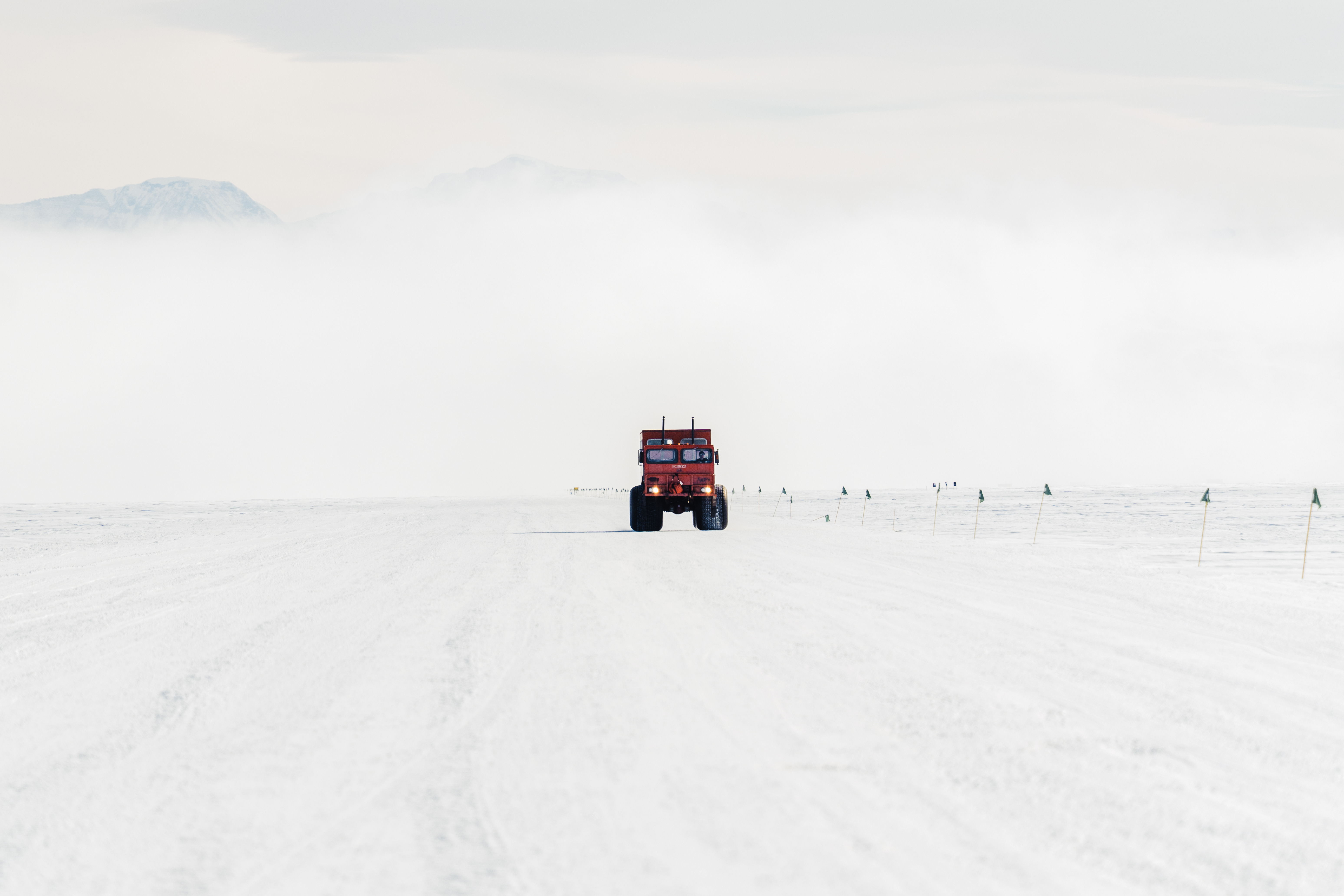
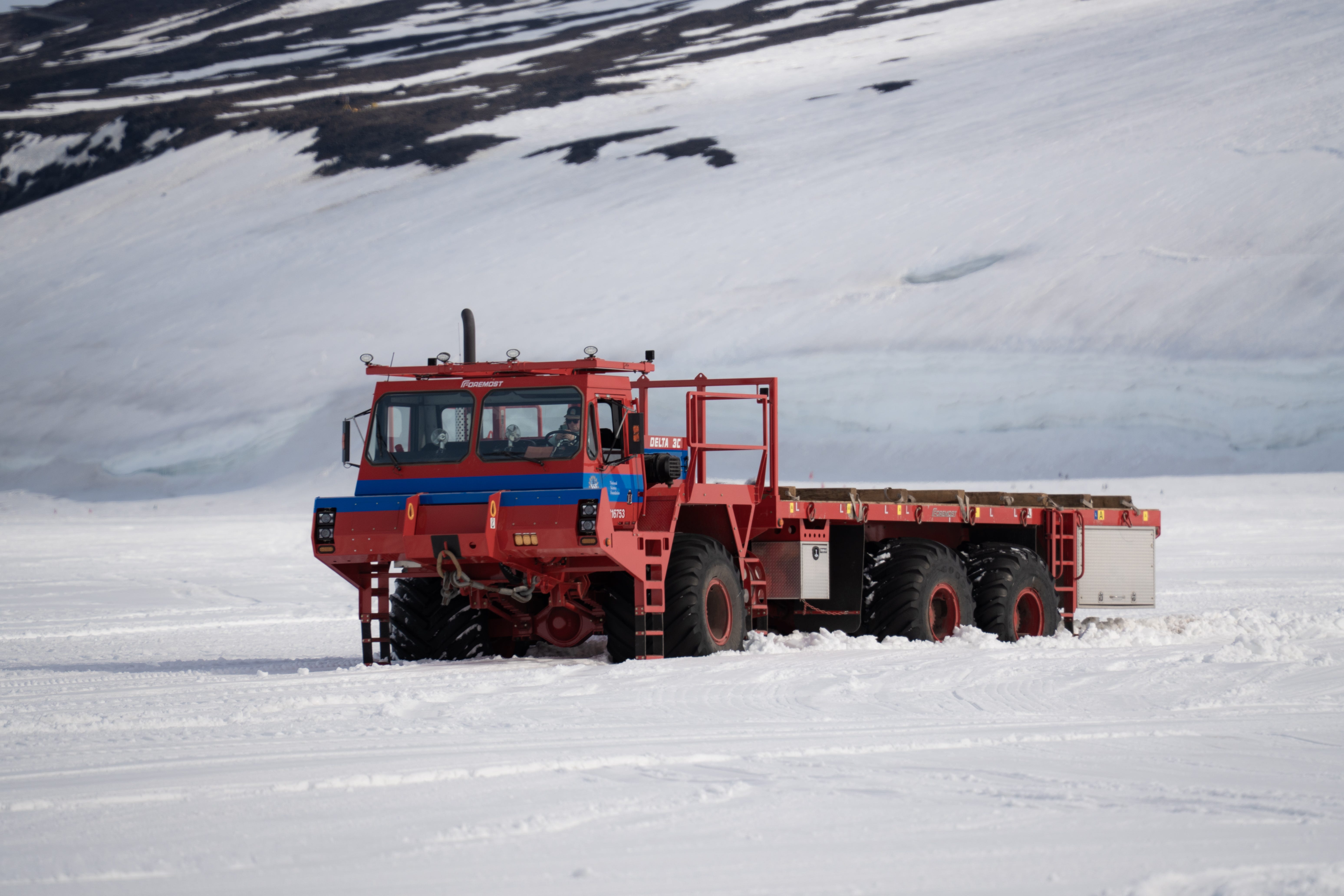
This lasted for about a week and then station leadership and department heads all met to decide on a better solution since the heat wave wasn’t dissipating soon enough. We stopped taking vans to the airfield entirely and exclusively started driving Delta’s (each fit around 20 people) because they don’t need to be ferried. We only have three passenger Delta’s on station, named Gale, Tina Marie, and Dawn, and they are from 1977, 1981, and 1983 respectively. These old steel behemoths are bumpy, loud, burn diesel like crazy, and are slower than a van. However, they’re faster than the magic carpet and that’s what matters. We cut our volume of shuttle runs by 60% and all the departments had to adjust their schedules to be able to make it to the airfield on time. Luckily the weather is starting to cool off again which should help the road heal, along with work by Fleet Ops to re-grade the road.
At a high level, this is one thing that McMurdo does really well. With funding being slim, expansions slowing, and everyone’s job being generally under-resourced, we still find a way to make it work. Our fuelies team manages the fuel lines that have been here for decades without many updates, the maintenance teams keep all of our 50+ year old buildings in running order, and the Air National Guard somehow keeps the 50+ year old LC-130 fleet in flying shape. It can be incredibly frustrating sometimes when we have to put up with components of our job that could be so much better if more and better resources were allocated, but it’s also something that is part of the gig down here where everything is infinitely more difficult to manage, access, maintain, and plan. Then again, sometimes we do get nice new things, like our new fleet of snowmobiles, one of which I’ll be taking out on Tuesday, but more on that later.
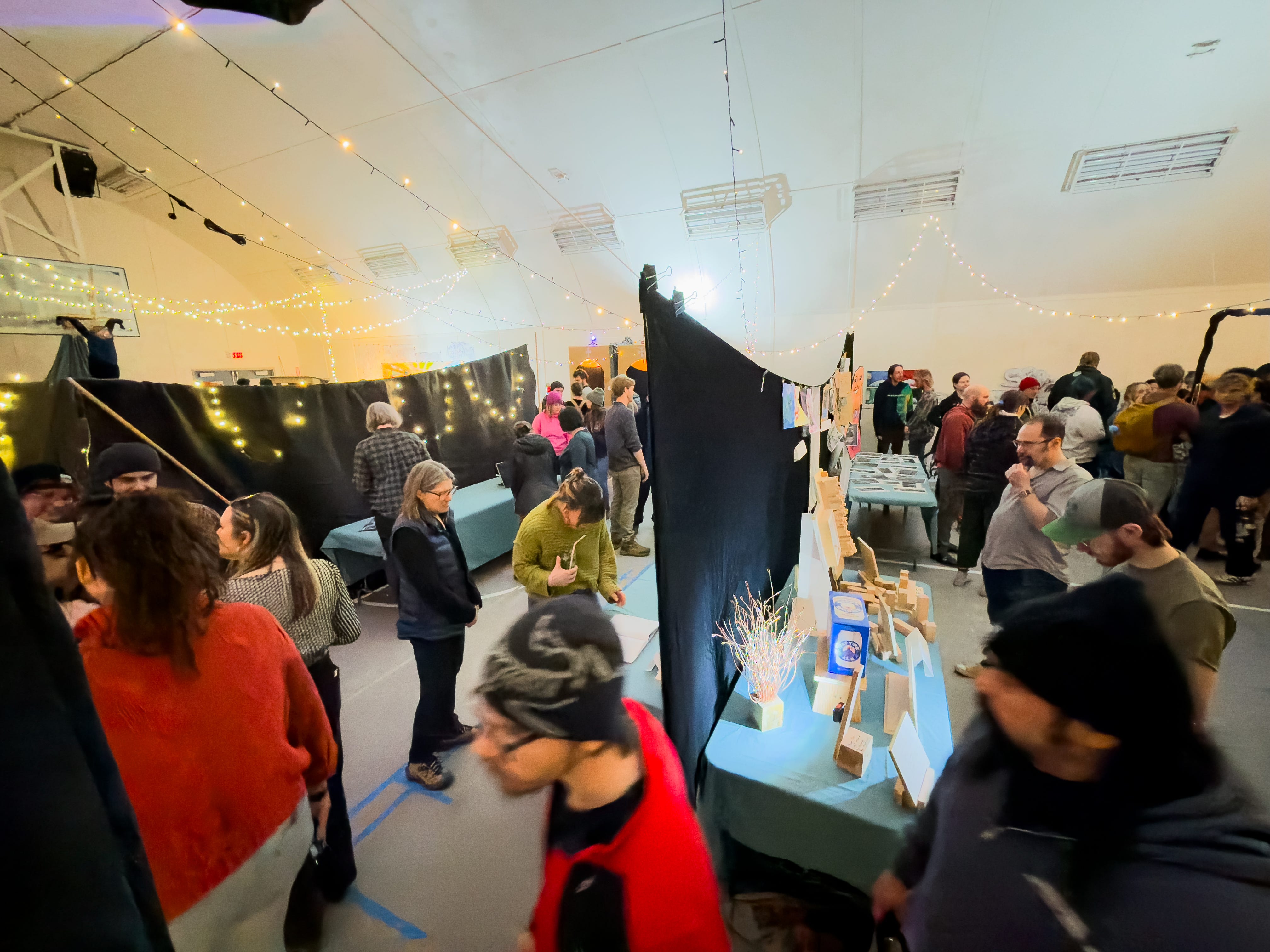
On to more happy and upbeat notes, last weekend we all got to visit MAAG, the McMurdo Alternative Art Gallery. It took place in the big gym (where basketball, pickleball, and rock climbing all are) and was full of such a variety of art. Everything from acro-yoga and live bad haircuts to incredibly intricate knit blankets and a 6 foot long mural. There was way more than I can recap here, but it was super inspiring to see how expressive people down here are and how much fun everyone has despite it being such a harsh environment. Some other standouts were a replica of the transition (complete with vans, tractors, deltas, and real snow), a smattering of undereye masks on a piece of cardboard, and a book on good or bad fortune as determined by birds crossing in front of your field of view. Anything and everything under the sun was allowed and encouraged.


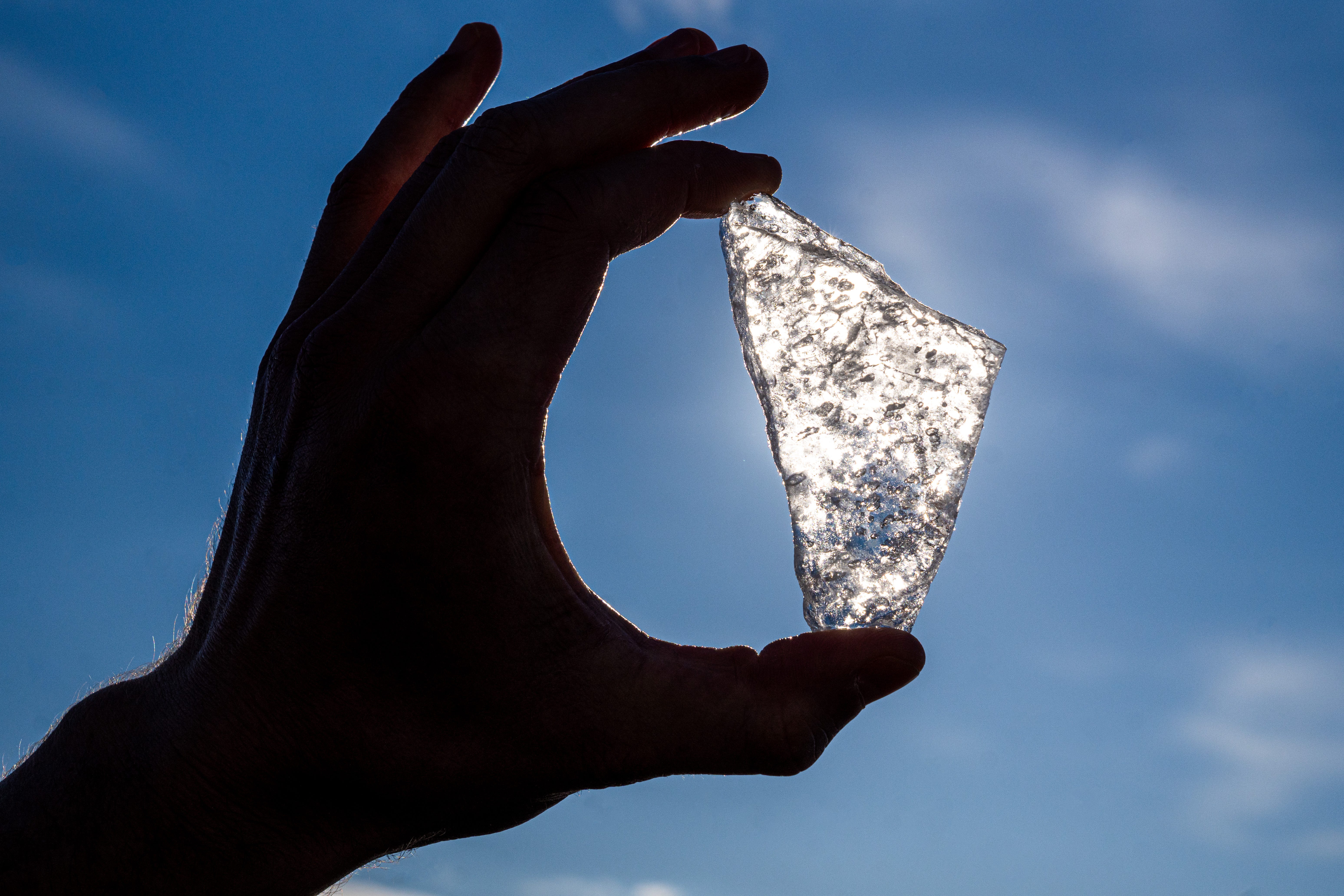
I was able to get a little bit closer to the action last weekend, the action being science. A friend I met in Christchurch, Gavin, was doing research in the dry valleys (across the water from McMurdo) along with his friend Joe who is in the same research group. Joe got back a bit earlier and brought some ice core samples that he needed to process. He’s part of the stream team of the McMurdo Dry Valleys LTER (Long Term Ecological Research) group. There are a ton of LTERs across the US and a few locations around the world, each measuring changes to the ecology over decades, rather than the normal research grant cycle of maybe 5 years. For Joe specifically, he was measuring the sediment that accumulates in glaciers in the dry valleys. He and Gavin would hike around and manually take small ice core samples from a bunch of different locations. Then, he brought them all back to McMurdo, which is where I got to start helping out for a day. Each one is 25cm long and 7.8cm in diameter, unless there was melt that happened at some point along its journey. We grabbed the core samples, each individually bagged and labeled, from the -20C freezer and took them to a -30C freezer that has a band saw in it. One by one, we opened up each ice core sample, measured its length and weight, then used the band saw to cut it into 5cm segments, then went around and removed any of the melted and refrozen ice, which was visibly pretty easy to discern.


From there, we took the now sliced cores back to the -20C freezer by the lab and took each core one by one into the lab (which was luckily room temp) to process. My job was to measure each disc’s depth, diameter, mass, and note and anomalies in the ice, like if it has a large cavity or has sheared, etc. Then I heat sealed it in a labeled baggie and then put it on the shelf to melt. The next day, Joe poured the melted ice and everything in the bag (including the sediment) into a specialized filter which collects all the sediment perfectly. Then that sediment is baked at high temps to dry it out, and then it’s weighed. All of this is just data collection, and then the analysis happens on the tail end once everyone is back in the states. It’s too expensive to keep scientists here for much of their analysis. Hopefully there’s something interesting to learn, but stream and glacial sediment ecology is beyond me so I’ll have to trust that they know what they’re doing here. Definitely a really cool experience to have had, and something that isn’t able to be done all that often since ice cores are somewhat hallowed items on base
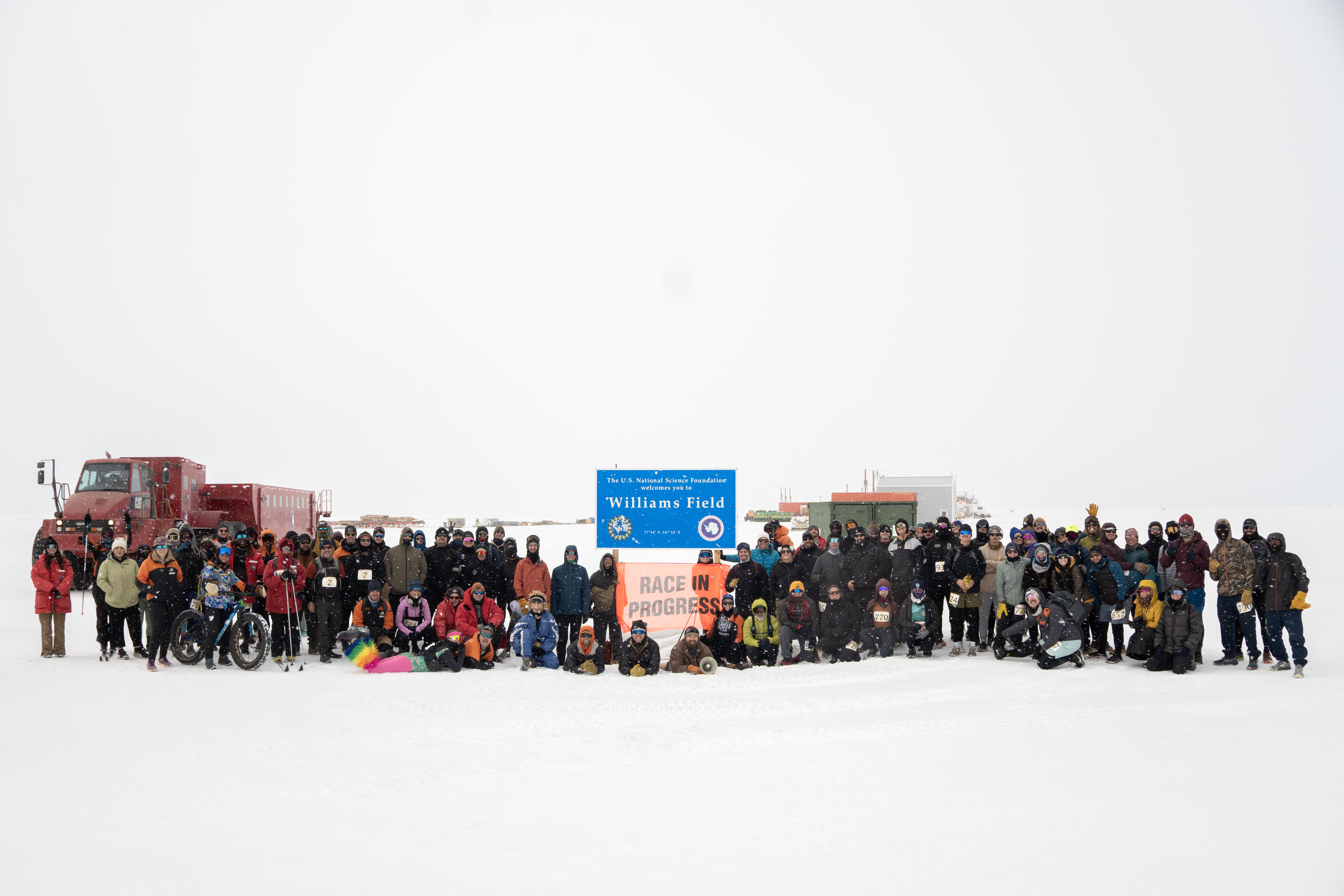
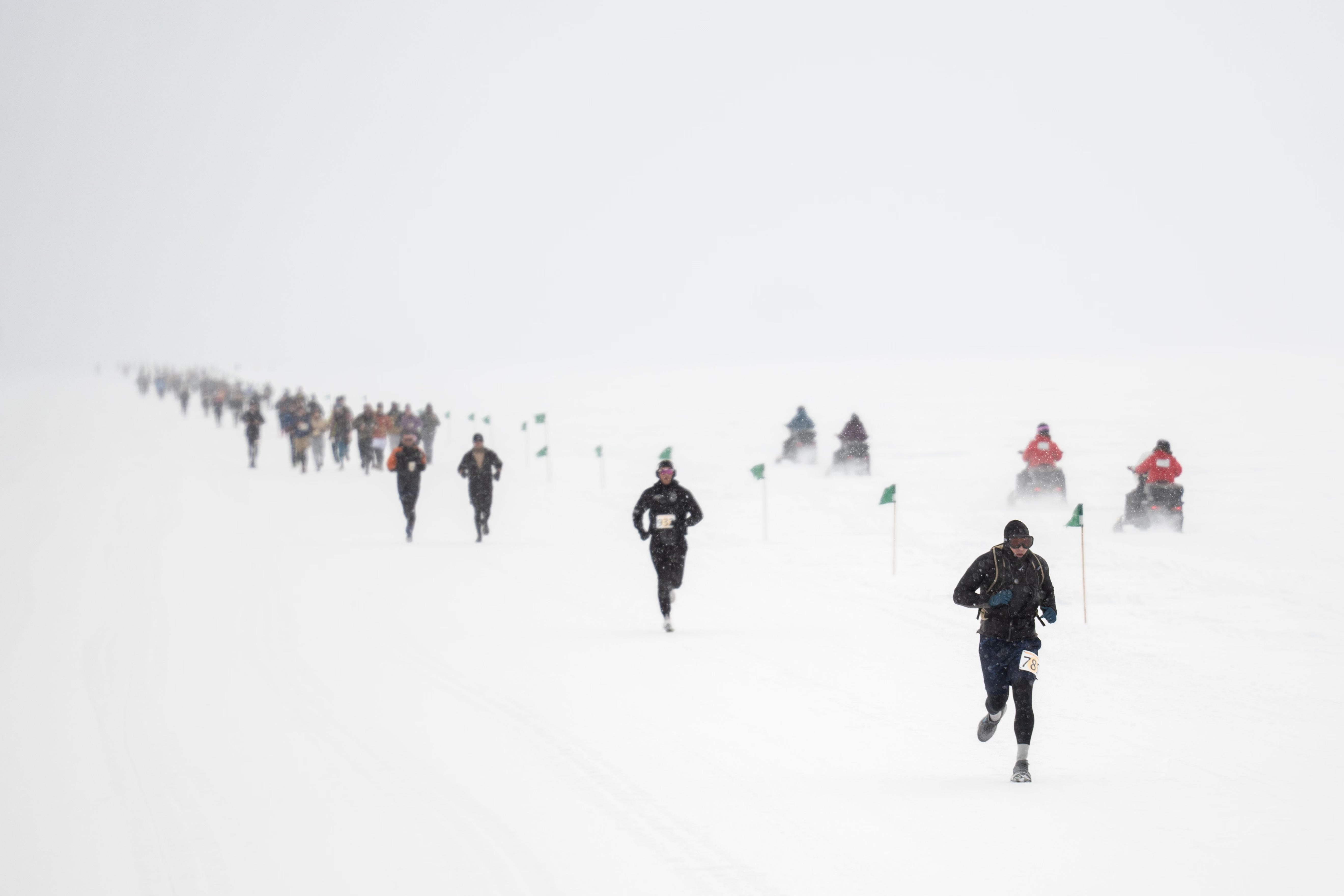
Yesterday was the McMurdo Marathon! It’s run completely on the ice shelf and consists of two out-and-backs between Willy Field and Phoenix Field. Simply because I don’t want to, and also because my PT would likely not approve, I did not run it. I was the event photographer though, and I think I got the best deal on base. I got driven around up and down the course on snowmobiles and hagglunds, got to eat some freshly grilled hamburgers at the halfway point, and had so much time to get some fun shots of everyone. For some people it was their first ever marathon and they were doing it off the couch, and others were seasoned veterans, running an extra few miles to/from the race instead of taking a shuttle.
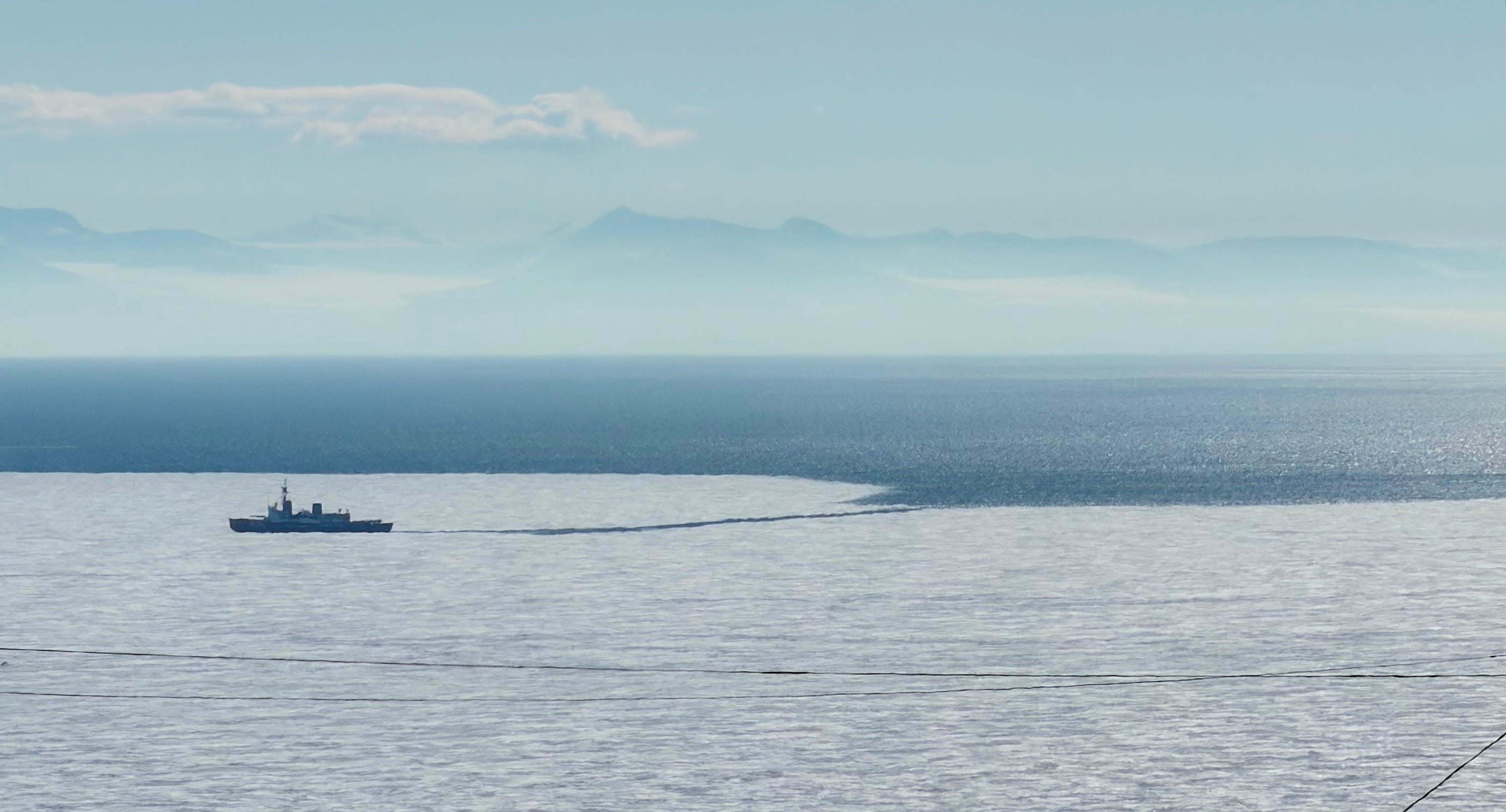
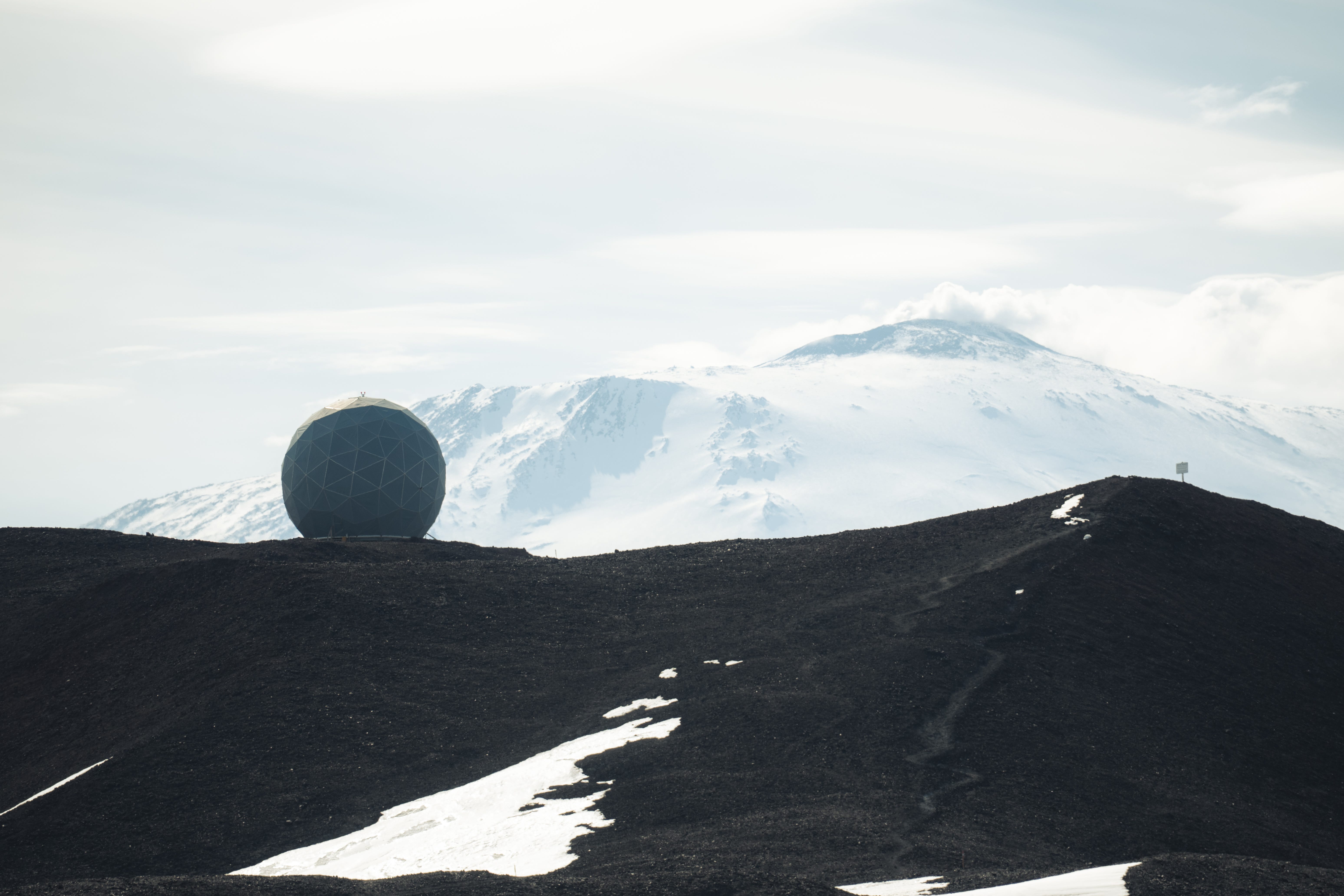
This coming Tuesday I’ll be taking a special trip through the rec department called Room with a View. It’s a snowmobile trip that takes us north on Ross Island to the base of Mount Erebus for a little bit. We’ll be able to see the island from a higher vantage point, obviously have a blast on the snowmobiles, and hopefully get a great view of the US Coast Guard Polar Star, the icebreaker ship that’s actively making its way toward McMurdo, clearing a path for upcoming supply vessel operations. Today we were supposed to have congressional delegates arriving, including Maria Cantwell, one of my senators from Washington, but their flight got delayed 24 hours due to weather, so we’ll see when they make it down here. They’ll have a whole slew of events over the next few days. It’s going to be quite the week!
In a poor segue to another topic, let’s talk about future seasons! Some friends have asked what the process is to actually get a job here, and boy was I naive beforehand. If you don’t care about this though, that’s all the rest of this blog is, so thanks for reading! Some of what I’m about to share may be out of date very quickly since the primary contractor for the US Antarctic Program is leaving and the contract is currently open for who will take over. Regardless, the current main contract holder is Leidos. They then work with a few other subcontractors: Amentum (who I work through, hiring most trade roles), Gana A’Yoo Service Corporation (hiring hospitality related roles like galley, janitorial, and housing), and Six Mile (hiring waste management, power plant operations, etc). There are even more specialized subcontractors like Pathfinder Aviation (helicopters), Kenn Borek Air (light cargo ski-equipped planes), NASA (comms), and a few others, but I’ll not focus on those. Here’s a link that should theoretically be updated with all the contractors.
When applying for jobs at Amentum or GSC (Six Mile jobs are listed alongside one of these sites), it all starts with a rather annoying online application. There are a few things to keep in mind. First, HR does the first screen and you have to meet the bare minimum requirements on your resume in order to move to the hiring manager. Sometimes having time on ice beforehand will allow some more flexibility on this. Then you’re in the hands of the hiring manager, and this is the hard part. You have to stand out somehow. A lot of departments have a lot of returning hires, and that makes it even harder for new people to get a job. What really helps is knowing someone who can vouch for you. A referral goes a very long way, and in my case, was the only reason I was able to get the alternate contract back in October that luckily turned into a primary contract after I got here. If you don’t know anyone, then doing proactive outreach to past employees or to the hiring manager (if you can find their contact info) I assume will go a long way into getting you an interview. Then the next step is a phone interview and then the offer. I’ve heard the interviews can vary greatly from person to person so I won’t go into so much detail.
Once you’re here, there’s also a lot of movement amongst returners. A lot of first timers might find jobs in other departments if they want to stay another season, and within departments people might get a promotion or role change. This is all much easier when you can see the hiring manager in person, might likely already be friendly with them, and inherently prove that you know what it’s like to live here and will be a good fit. So even if you don’t get your dream job the first season, just getting here puts you super far ahead for the future. As an example, in my broader department, ATO, there’s an opportunity to get a contract for next year already, for people that know this far in advance what they want to do in a year.
Anyway, I hope that answered the question about jobs. Let me know if you’re serious about applying and I’d be happy to chat more and share what I know!
Thank you all for reading what has seemingly become a haphazard biweekly essay rather than a steady set of blog posts. It’s so nice to know that everyone is following along and I can’t wait to see everyone in person back in the states later this year!
Great photos! Makes it feel like I was there ;P